


Driving Lasting Impact in Hong Kong and Beyond
How can The Nature Conservancy (TNC) take bold steps to slow—and ultimately reverse—critical challenges like rising carbon emissions and accelerating nature loss? In Hong Kong and across Asia Pacific, we’ve built a strong foundation rooted in science, collaboration, and innovation. Now, it’s time to scale up and ensure our results endure. To amplify and sustain TNC’s impact across the region by 2030, we are investing strategically in three key areas: People, Policy and Prosperity.

Major Achievements
These initiatives represent some of TNC’s highest-impact and scalable efforts. They are the result of years of partnership building, conducting scientific research, supporting policy initiatives and navigating the realities of pursuing bold and innovative conservation strategies.
By the Numbers
-

5,000+
5,000 youths and volunteers involved
-

90+
90 tonnes of recycled shells collected for reef building
-

14,233+
14,233m² reefs areas restored in Hong Kong
Ocean Health
Building Resilient Coasts: Oyster Reef Restoration in Action
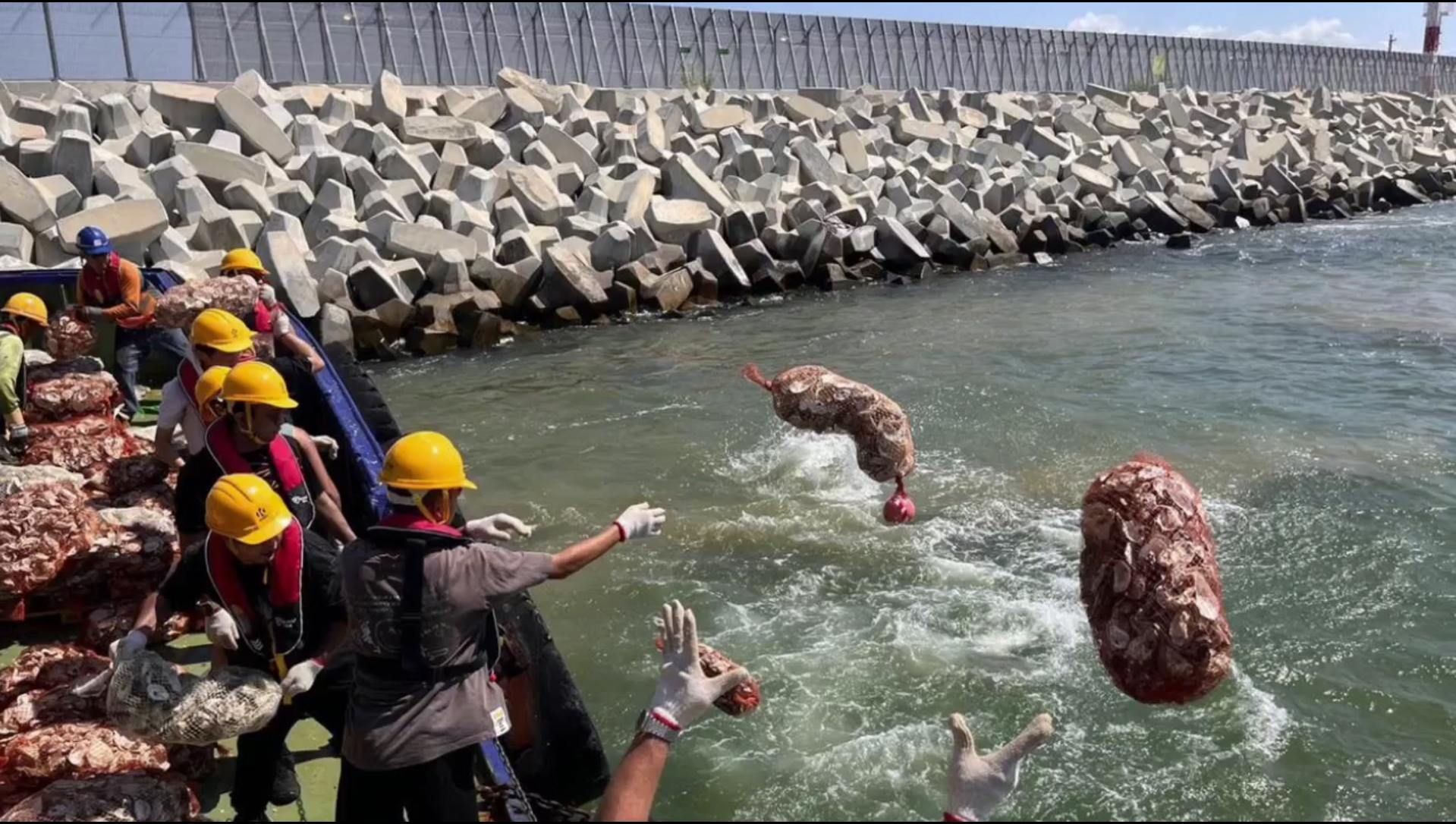
TNC is pioneering innovative ways to restore oyster reefs in Lantau, an area that has lost vast historical reefs. In 2021, TNC conducted a pilot project to retrofit the seawall of Hong Kong International Airport new Three-Runway System into a fully functioning shellfish reef. Monitoring showed an increase in species diversity.
Building on this success, the project was scaled up in 2024 to cover 4,080m², introducing 500,000 live oysters of various species along the seawall of the Three-Runway System at Hong Kong International Airport. Monitoring efforts are being conducted in collaboration with SWIMS, and over 300 volunteers have been instrumental, packing recycled shells into 1,500 biodegradable bags, supporting the creation of new oyster reefs.
Ecological Hotspot Management
Restoring Pak Nai’s Coastal Ecosystem
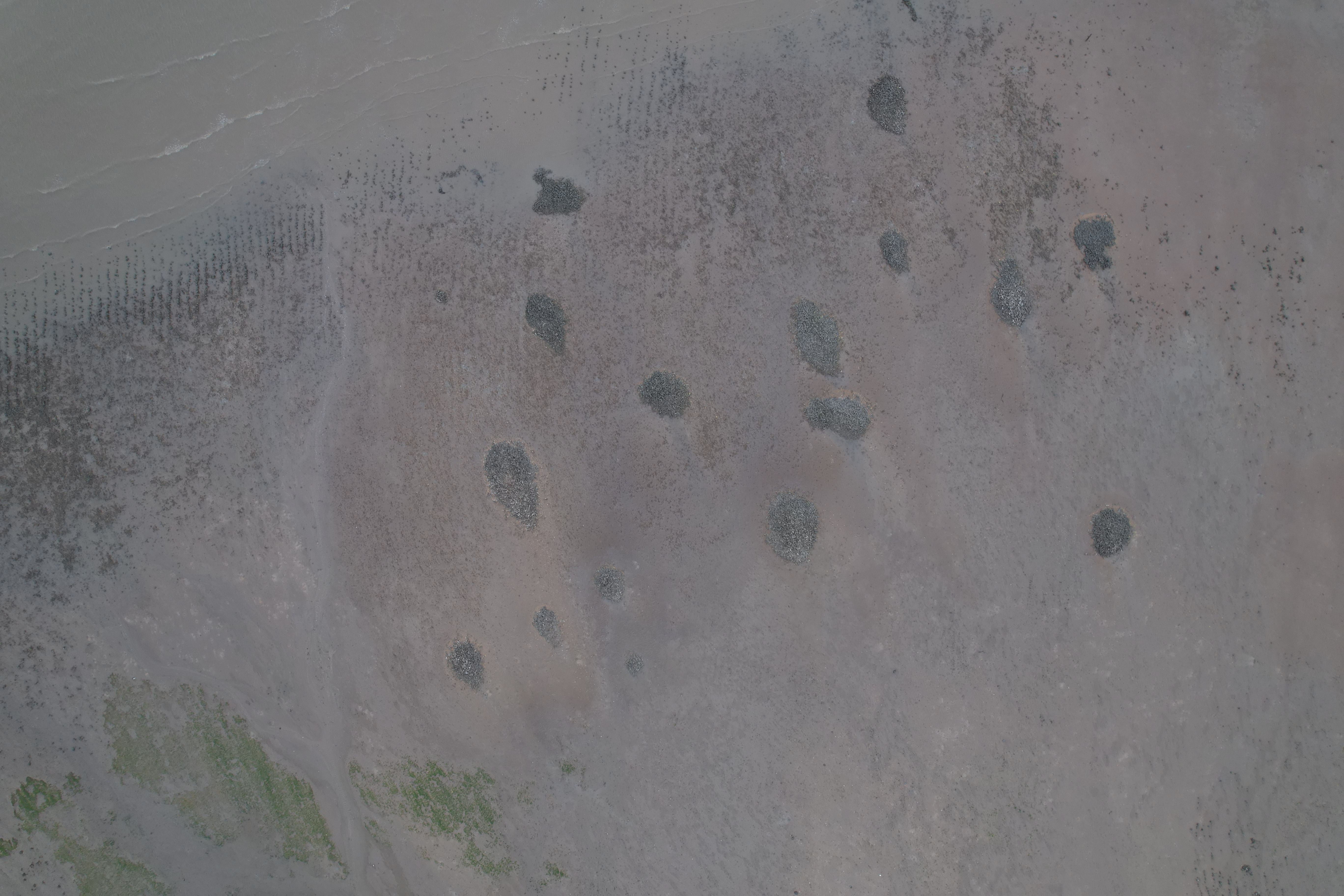
Pak Nai’s mudflats are home to endangered horseshoe crabs and seagrass beds, yet remain unprotected and vulnerable to invasive species and unsustainable tourism.
Since 2021, TNC has led a community-driven conservation effort, engaging over 5,000 volunteers to restore 8,000m² of abandoned oyster farms, remove 2,600m² of invasive cordgrass, and clear 3 tons of marine debris. These actions have improved habitat quality and boosted horseshoe crab populations, proving the power of collaborative restoration. Building on this success, TNC is advocating for Pak Nai’s designation as a Marine Protected Area to secure its ecological future.
READ MORE

Recycling oyster shells from restaurants to benefit nature
Get to understand TNC “Save Our Shells” Initiative

Rewilding Our Ocean
The Nature Conservancy Hong Kong announced that its pilot Shellfish Habitat Restoration Project in Tolo Harbour has shown progress.

Hong Kong Oyster Restoration
TNC restores oyster reefs in Hong Kong to improve water quality, increase local fish production, and educate the public about the importance of these marine habitats.
